Five rescued baobabs successfully planted in the Timbavati after 900km journey
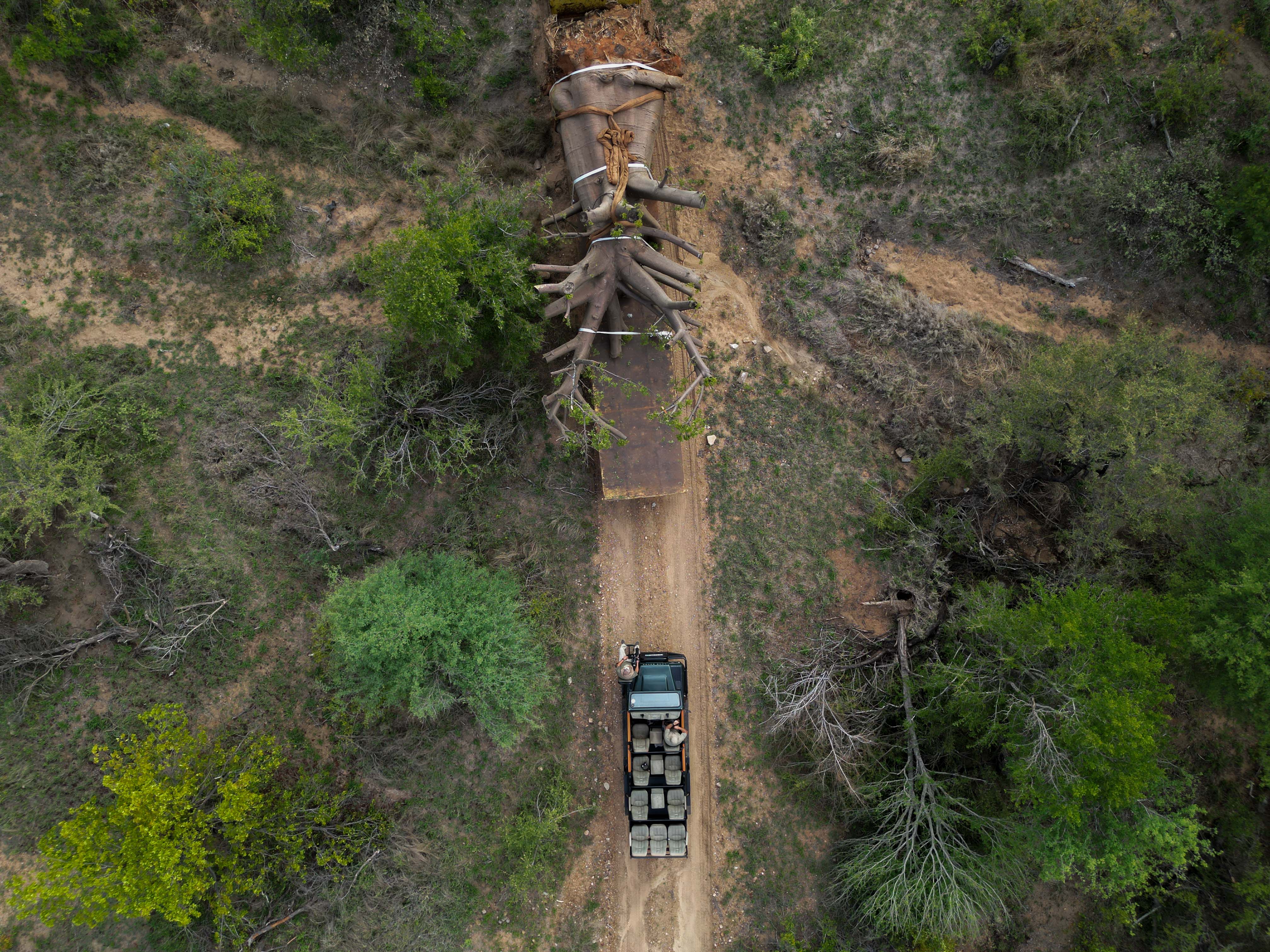
All five giant baobabs have been returned to the soil in the Timbavati Nature Reserve in South Africa following an extraordinary rescue and relocation operation spanning more than 900 kilometres.
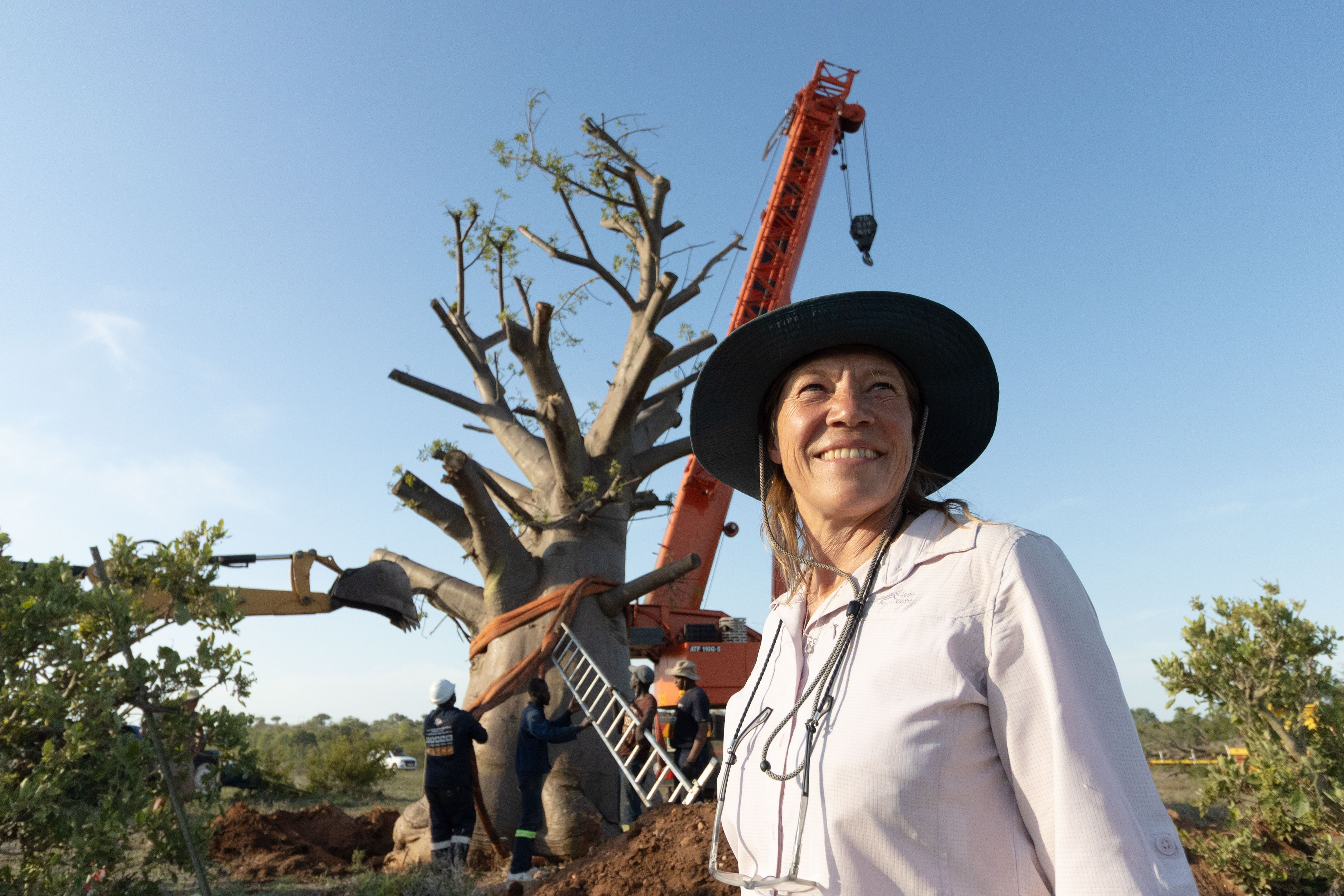
HOEDSPRUIT, LIMPOPO, 20 November
After spending months out of the ground and travelling more than 900 kilometres across South Africa, five giant baobab trees have been successfully planted in the Timbavati Nature Reserve, marking a significant milestone in an extraordinary conservation operation.
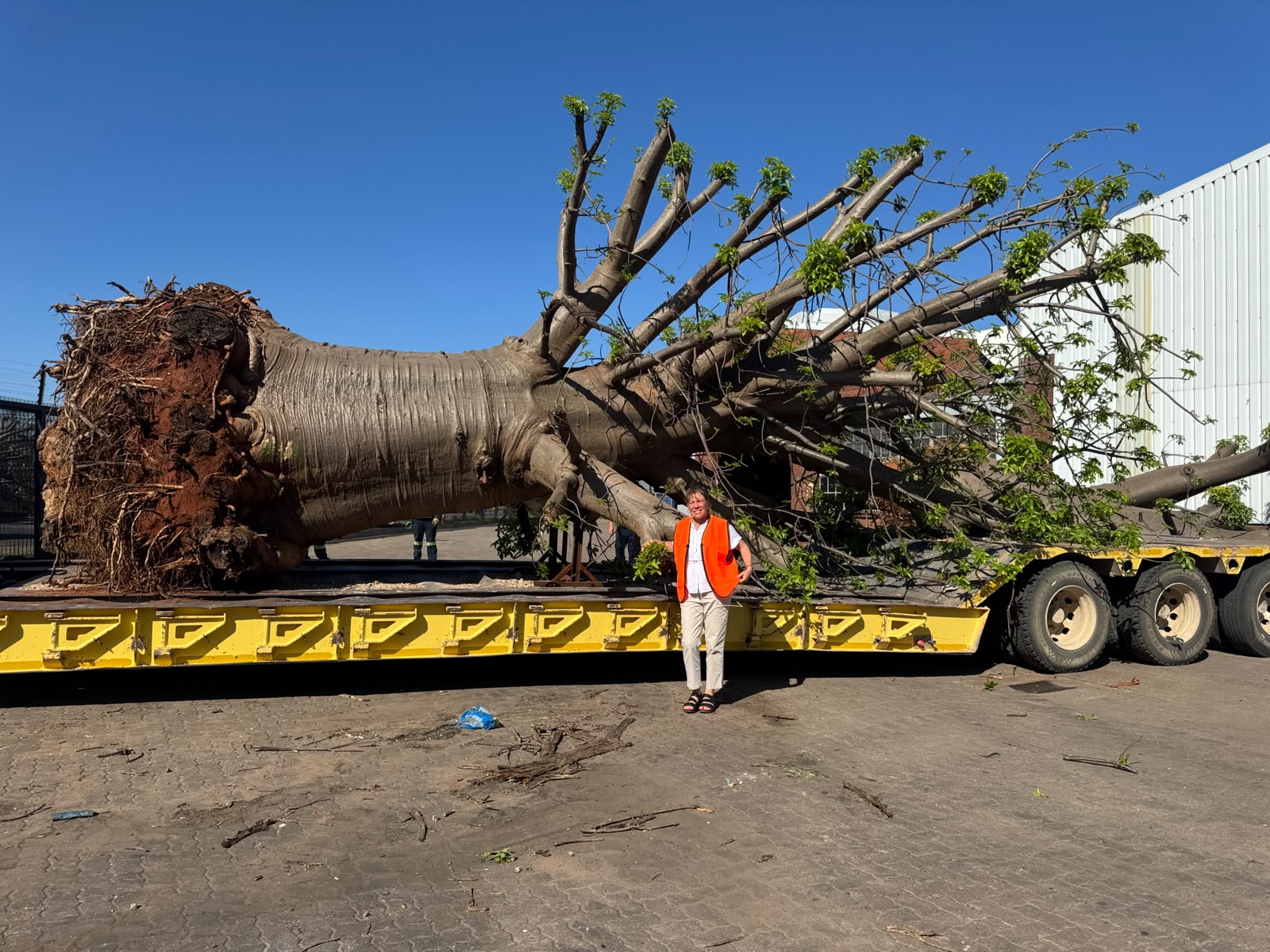
The trees, each weighing an estimated 17 to 30 tonnes, were originally destined for export to Georgia for a private landscaping project, before the process was interrupted and they were intercepted by the Department of Forestry, Fisheries and the Environment. By the time their relocation was coordinated, they had already spent a few months out of the ground.
Their successful planting marks the culmination of months of planning and a complex operation involving government authorities, conservation specialists, transport operators and the Timbavati team.
A complex journey to protected soil
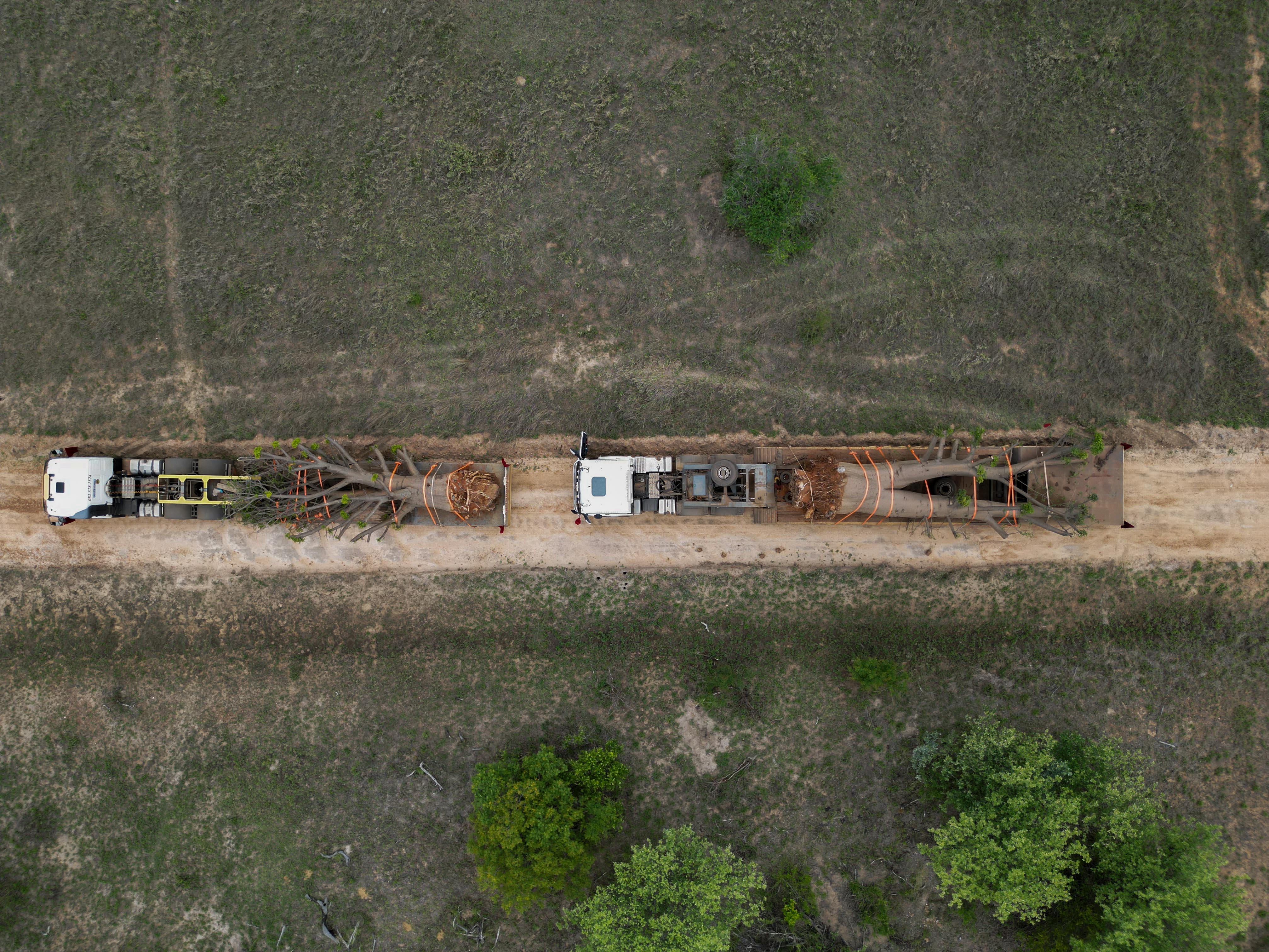
On Wednesday morning, a convoy of five low-bed trucks carrying the enormous trees made its way through Hoedspruit, drawing the attention of residents who gathered along the route to witness an unusual sight.
Travelling under abnormal-load escort, the convoy reached the town at approximately 10am, with local Farm Watch members assisting the operation.
While the arrival appeared seamless, the journey had required extensive planning and coordination.
“Even though it feels like they came quite quickly, it took a lot of work and effort to ensure that the correct papers were in place for them to arrive legally in the Timbavati,” explained Timbavati Warden Edwin Pierce.
The convoy had spent the previous night in Lydenburg while the necessary procedures were finalised for crossing into Limpopo.
And the logistical challenges did not end at the reserve gates.
Six speed humps along the Avoca road had to be removed to accommodate the trucks. Once the vehicles reached the transfer point, two cranes were brought in to lift the massive trees onto smaller trucks capable of navigating the final stretch of dirt road to their planting sites.
It was a carefully coordinated operation, with each stage presenting its own challenges.
Five giants back in the ground
Successfully transporting the trees was only part of the challenge. The next task was to return all five to the soil safely and give them the best possible chance of survival.
Baobabs are remarkably resilient trees, capable of surviving prolonged periods of drought and storing substantial quantities of water within their trunks. However, relocating mature specimens of this size requires specialist knowledge and careful management.
Baobab transplanting specialist Johan Wolfhardt, who has replanted approximately 200 baobabs, believes the five trees have a good chance of survival.
Among the primary concerns are root rot and the stability of the trees while their shallow root systems re-establish themselves in the soil. However, the natural characteristics of baobab root systems, combined with the favourable soil conditions at the selected planting sites, offer reason for optimism.
“Baobabs have a really shallow lateral root system, so they just need to grow wide, which makes it fantastic for planting. Once they’re in, they need to grow wide; they don’t need to go down. So we don’t have to worry about them finding a gap through the rocks. And the soil we’re planting them in is perfect, easily drained,” explains Dr Sarah Venter of the Baobab Foundation.
To protect the newly planted baobabs from potential elephant damage during this vulnerable period, solar-powered electric fencing has been installed around the planting site.
For Venter, who has been closely involved in monitoring the trees throughout the process, seeing the first baobab returned to the ground was an emotional milestone.
“Today has just been the best day. I’m so incredibly happy that the first baobab has been successfully planted.”
The first tree was lowered into its new position at approximately 3pm on Thursday. A further three hours were spent carefully straightening and securing it, and compacting the surrounding soil to provide stability. As the final work for the first baobab was completed, the team broke into applause and emotional cheers. Against the backdrop of a spectacular Timbavati sunset, it was a fitting end to an extraordinary day. The first of five ancient giants had finally found its new home.
The remaining four trees have since been successfully planted, completing a remarkable relocation effort.
After months above ground and hundreds of kilometres on the road, all five baobabs are now back in the earth.
Many Hands Behind Five Giants
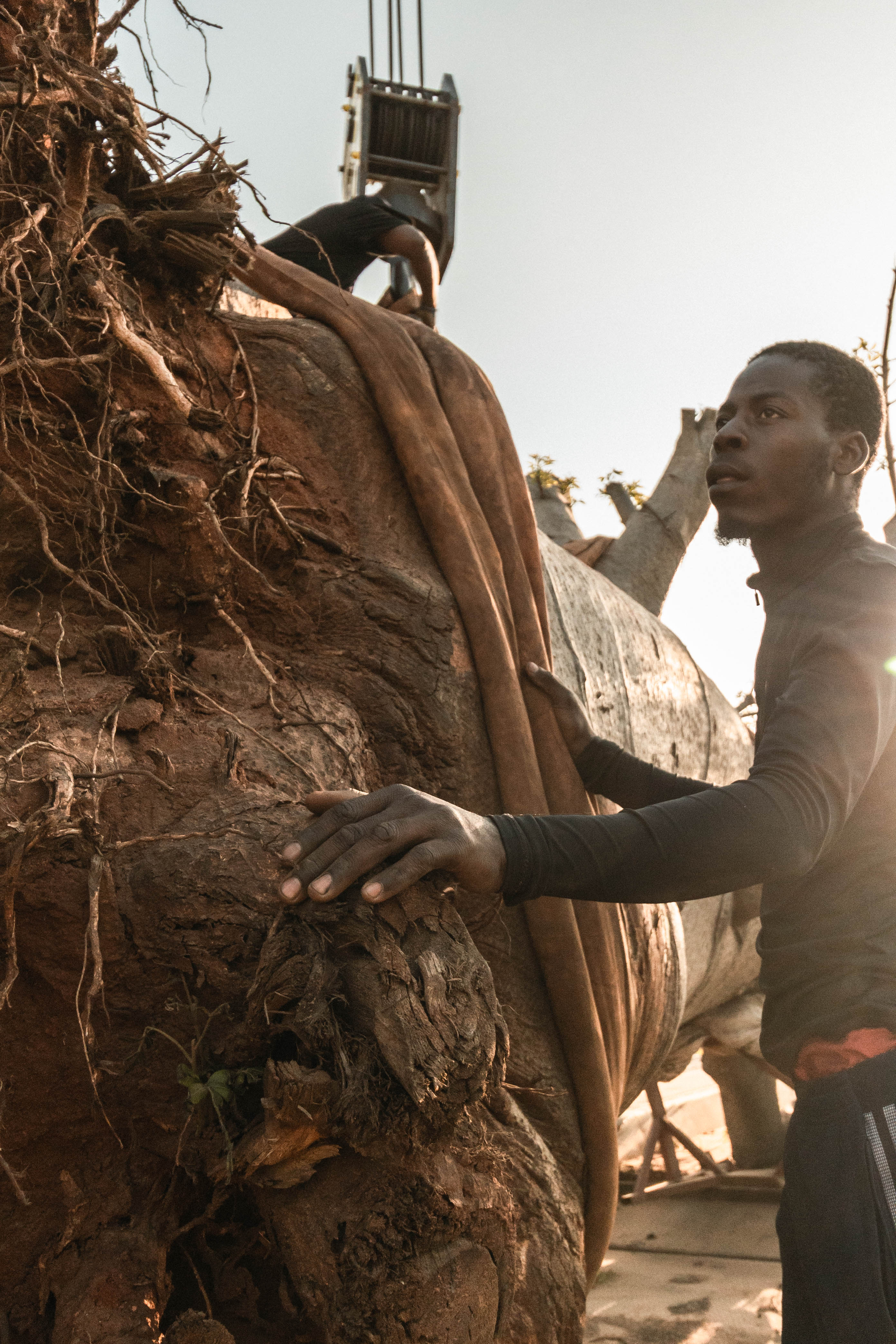
Behind the successful planting of these five baobabs was an extraordinary collective effort. This was never the work of one person or organisation, but of many hands, each playing a critical role in getting the trees safely back into the ground. With daytime temperatures ranging from 36°C to 40°C, the physical demands were considerable.
From the transport crews and crane operators to the conservation specialists and teams working on the ground, the operation required long hours, precision, patience and sheer determination. Their commitment deserves recognition. Without the people willing to do the difficult, often unseen work, conservation efforts of this scale would simply not be possible.
Conservation beyond wildlife
While the rescue of five giant baobabs has captured public attention, their story brings into focus a much broader and often overlooked conservation concern: the ongoing exploitation of Africa’s indigenous flora.
For Dr Sarah Venter, the scale and recognisability of these trees present a unique opportunity to draw attention to the many lesser-known plant species facing similar threats, often without the same level of public awareness or intervention.
“Our plants and our animals are just being plundered out of Africa, and these are big, majestic baobab trees. People can relate to them. They don’t necessarily relate to a little succulent that’s coming out. But it’s really bad. We can’t let that carry on happening.
“And if these baobabs can talk for all of the plants out there, let them do that. I think after this there’s a lot of rallying around stopping the plundering of our resources out of Africa,” says Venter.
The relocation reflects a broader principle that underpins conservation in the Timbavati: protecting a wilderness means protecting the entire ecosystem, not only its most recognisable wildlife.
For Timbavati Warden Edwin Pierce, the reserve’s ability to offer long-term protection was a particularly important consideration in providing a new home for the rescued trees.
“At the end of the day, the Timbavati can offer them a unique environment where they can be protected for generations. We are strongly focused on our security, ensuring that we conserve the natural environment.
“More importantly, those trees are from the Waterberg, and they got taken from the Waterberg and moved to Durban without anyone batting an eyelid. In the Timbavati, that cannot happen.”
Baobabs are a specially protected tree species in South Africa, and mature specimens play an important ecological role. Their trunks, branches, flowers and fruit provide food, shelter and nesting opportunities for numerous species, from insects and birds to mammals.
The Timbavati forms part of the connected Greater Kruger conservation landscape, where established security infrastructure, long-term protection and active ecological management provide an opportunity for these trees to recover and, potentially, remain standing for generations.
“This is not simply about planting five trees,” Pierce adds.
“It is about recognising that every part of our natural environment has value. We cannot spend our lives advocating for the protection of our wildlife while overlooking the exploitation of the very vegetation and ecosystems that support them.
“There is also something quite humbling about the thought that, long after all of us involved in this initiative are gone, these baobabs could still be standing in the Timbavati. That is the kind of conservation legacy we should all be working towards.”
Perhaps the greatest significance of Project Baobab lies not only in the rescue of these five trees, but in the wider conversation their rescue has initiated. Countless indigenous plant species are vulnerable to exploitation, yet few command the public attention that these five giants have attracted.
Their story presents an opportunity to change that narrative and to advocate for the protection of Africa’s natural heritage in its entirety, from its most iconic wildlife and ancient trees to its smallest and least recognised plant species.
The work continues
With all five baobabs now successfully planted, Project Baobab enters its next important phase.
The months and years ahead will be critical as the trees establish new root systems and adapt to their surroundings. The Timbavati's conservation team led by Almero Bosch will continue monitoring their condition, stability and recovery.
The rescue and relocation are being documented as part of a feature film currently in production, capturing the people, planning and conservation effort behind Project Baobab.
For now, five extraordinary trees have a new home in the Timbavati. Their successful planting is an important first step. Their long-term survival will be the true measure of the project's success.
ABOUT TIMBAVATI NATURE RESERVE
Timbavati is devoted to wilderness. For more than 75 years, we’ve worked day and night to protect, nurture and expand this teeming Greater Kruger connected landscape of wild animals in north-eastern South Africa.
Since 1956, the reserve has maintained a “wilderness first” philosophy. We respect and honour the intelligence of nature and all conservation activities are focused on nurturing the natural processes and interactions between the land and animals.
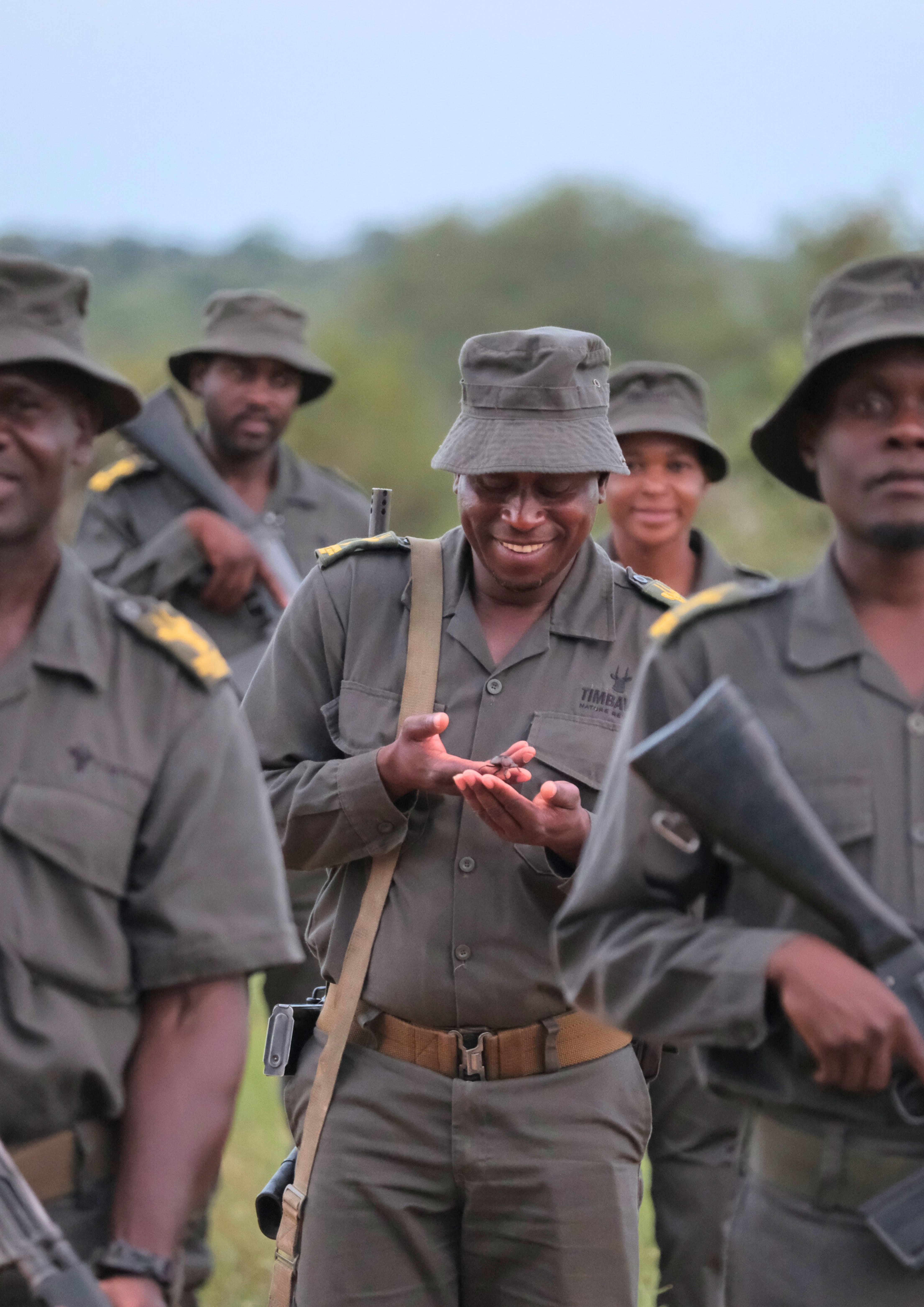
Our wide-ranging work as conservationists is based on comprehensive scientific research by ecologists, and implemented by a team of qualified, experienced conservationists. Our dedicated team of highly-trained and well-equipped armed rangers patrol the reserve day and night. Some have given their lives to the protection of Timbavati and its animals. We honour their ultimate sacrifice.
Timbavati is home to some of South Africa’s leading safaris. There are 18 fully-inclusive lodges and 4 self-catering camps located within the expansive 556-square-kilometre reserve. In South Africa, Timbavati has one of the lowest densities of lodges and visitors per square kilometre. As a visitor to Timbavati, you are assured that your safari experience will be respectful and sensitive to the wilderness and its wild animals.
Want to get involved in Conservation in the Timbavati, Greater Kruger - FInd out more here https://www.timbavati.co.za/get-involved
Website: www.timbavati.co.za
MEDIA ENQUIRIES
Edwin Pierce Warden | Timbavati Nature Reserve Email: warden@timbavati.co.za Tel: +27 (0)15 793 2436 Website: www.timbavati.co.za



Where to next?
A Second Chance for Five Iconic Baobabs: Timbavati Nature Reserve Offers a New Home to Rescued Trees
Why We Need Vultures: Marking International Vulture Awareness Day with the Endangered Wildlife Trust
Guardians of the Timbavati: Honouring Our Frontline on International Ranger Day
@timbavati_pnr